
Arrest Warrants in Dougherty County
An arrest warrant is a judge's order to take a named person into custody. It rests on probable cause. That means facts strong enough for a judge to believe an offense happened and that this person committed it. In Dougherty County, the clearest public anchor is Dougherty Magistrate Court. Its own description says it may issue warrants for all criminal offenses and hold committal hearings. A police officer, a prosecutor, or a private citizen can each bring an application. The court alone decides whether the standard is met. No applicant and no public catalog can do that. O.C.G.A. § 17-4-40 governs applications for arrest warrants. Read its current text through the Georgia General Assembly search.
Dougherty County Warrant Stages
A warrant passes through distinct stages. First, a complaint or alleged offense reaches law enforcement, a prosecutor, or a civilian applicant in Dougherty County. The proper court then reviews the request. If a judge finds it sufficient and supported by probable cause, the warrant is issued and entered into the systems that track it. Later, a deputy, a police officer, or another authorized agency carries out service and takes the person into custody.
The process can continue through booking, first appearance, committal, and bond. A later court action may recall, withdraw, quash, or otherwise close the warrant. Those updates may not reach each public-facing system at once. The practical sequence is: request → judicial review → issue → service → booking and court review → closure or continued case action.
What a Dougherty County Arrest Warrant Contains
The court document and a public wanted-person row are not the same thing. A safe inventory describes the fields a Dougherty County warrant record holds, without repeating a person's private data, charge narrative, photo, or case. Exact labels vary by court and by public interface.
| Record type | Criminal arrest warrant or agency wanted-person entry. |
|---|---|
| Agency | The issuing or displaying official office. |
| Identifier | A warrant or case number, which should be confirmed with the court. |
| Offense field | The alleged charge category, not a finding of guilt. |
| Issue date | The date of issuance, not proof of current enforceability. |
| Bond or status | A field that may change and requires direct confirmation. |
A stale printed entry cannot establish current warrant status, bond, or service history in Dougherty County.
Dougherty County Arrest Warrant Review
Dougherty Magistrate Court posts its criminal-warrant jurisdiction and a public phone line, 229-431-3216. Call that number with warrant questions. The fee schedule shows a $20 "Warrant Application" charge effective July 1, 2024. That is only a filing fee for an application. It does not pay to search for, erase, recall, or clear an existing warrant. A civilian warrant application leads to a probable-cause hearing under the statewide statistical description, and law-enforcement requests may follow procedures no public page displays. Paying the fee guarantees nothing, whether issuance, a hearing result, or access to an investigative affidavit. For facts or documents, follow the court's current filing instructions and use its secure channel. Note: Contact Dougherty Magistrate Court directly before relying on any warrant detail.
How Dougherty County Arrest Warrants Are Served
The Sheriff's Uniform Division splits this work into two units. Criminal Warrants serves arrest warrants and court orders in Dougherty County and other jurisdictions, and it handles transport and extradition. Civil Process serves subpoenas, complaints, garnishments, protective orders, dispossessory warrants, and other civil papers. Keep the two apart: a civil dispossessory warrant is not authority for a criminal arrest. Service may come from the Sheriff, city police, or another authorized agency. If custody follows, jail intake and the court process handle booking, bond, and the next required appearance. "Issued" means the judge authorized the process, while "served" means the custody process was carried out, and the two words cannot stand in for each other.
Albany and Dougherty Arrest Warrant Routes
Albany Police Department covers the incorporated city, while Dougherty County Police covers the unincorporated county. The APD posts no public warrant list. For current confirmation, the issuing court and the Sheriff remain the better routes. Albany Municipal Court handles city misdemeanors, ordinances, and state traffic matters. The Albany Police Department page shows the city law-enforcement route and who may have originated a city case.
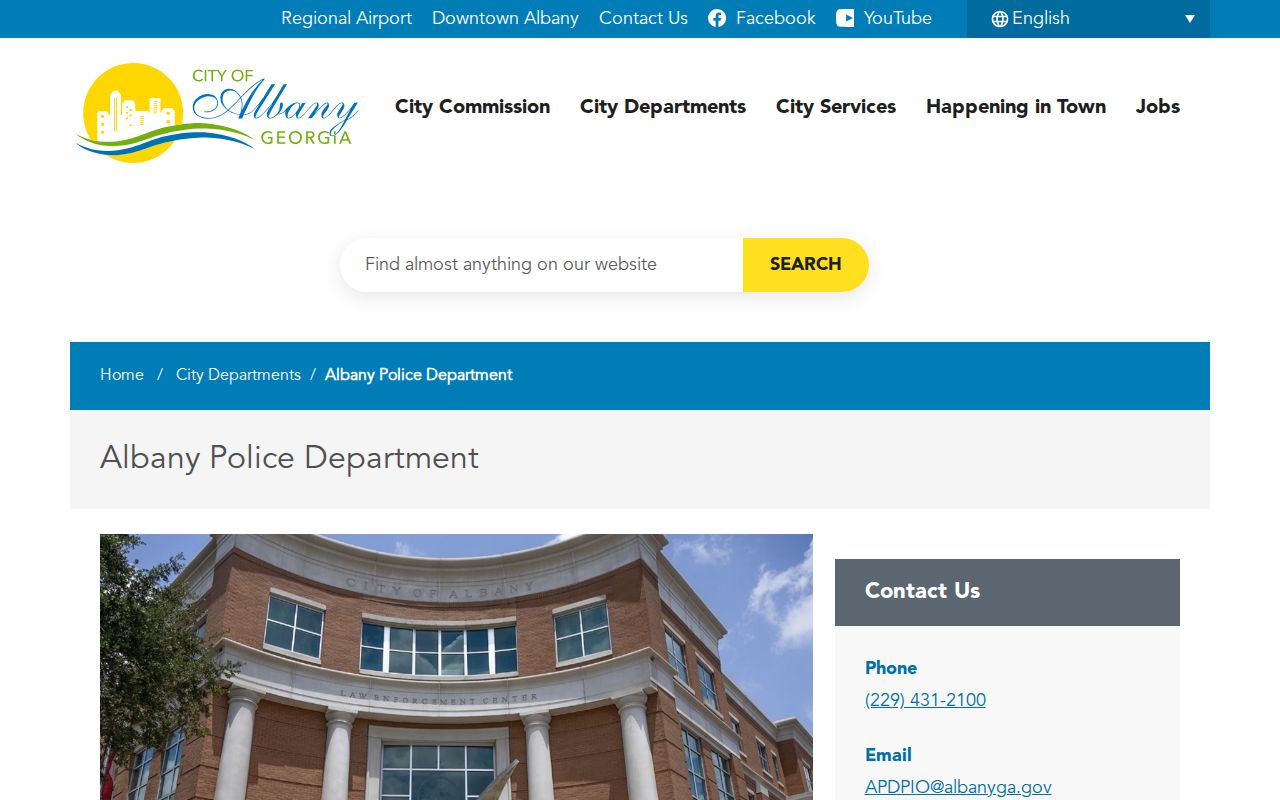
The department page maps the city police lane in Dougherty County. A police contact, though, is not a certified warrant search.
Arrest Warrant vs Summons vs Bench Warrant
These records call for different responses. An arrest warrant directs custody on probable cause. A summons orders a person to appear, without starting with an arrest. A bench warrant usually follows a missed duty in a pending case. More detail on Dougherty County bench warrants explains the court-first recall route.
| Feature | Arrest Warrant | Summons | Bench Warrant |
|---|---|---|---|
| Main command | Take the named person into custody | Appear on a stated date | Take a person into custody after a missed duty |
| Basis | Probable cause | Notice to answer a matter | Nonappearance or noncompliance |
| Starting case | An alleged offense | A filed charge or proceeding | An existing case |
| Response | Lawyer, surrender, bond, court | Attend as directed | Issuing court, recall, appearance |
Ignoring a summons can bring later court action in Dougherty County. Still, it is not an arrest warrant until a judge says so.
Dougherty County Arrest Warrant Boundaries
City records add context, but they cannot answer a county arrest-warrant question. Albany Municipal Court's calendar verifies settings, and its payment tools handle eligible city matters. Neither source certifies all Dougherty County warrants. The Albany Municipal Court page describes the court's jurisdiction and how to contact it.
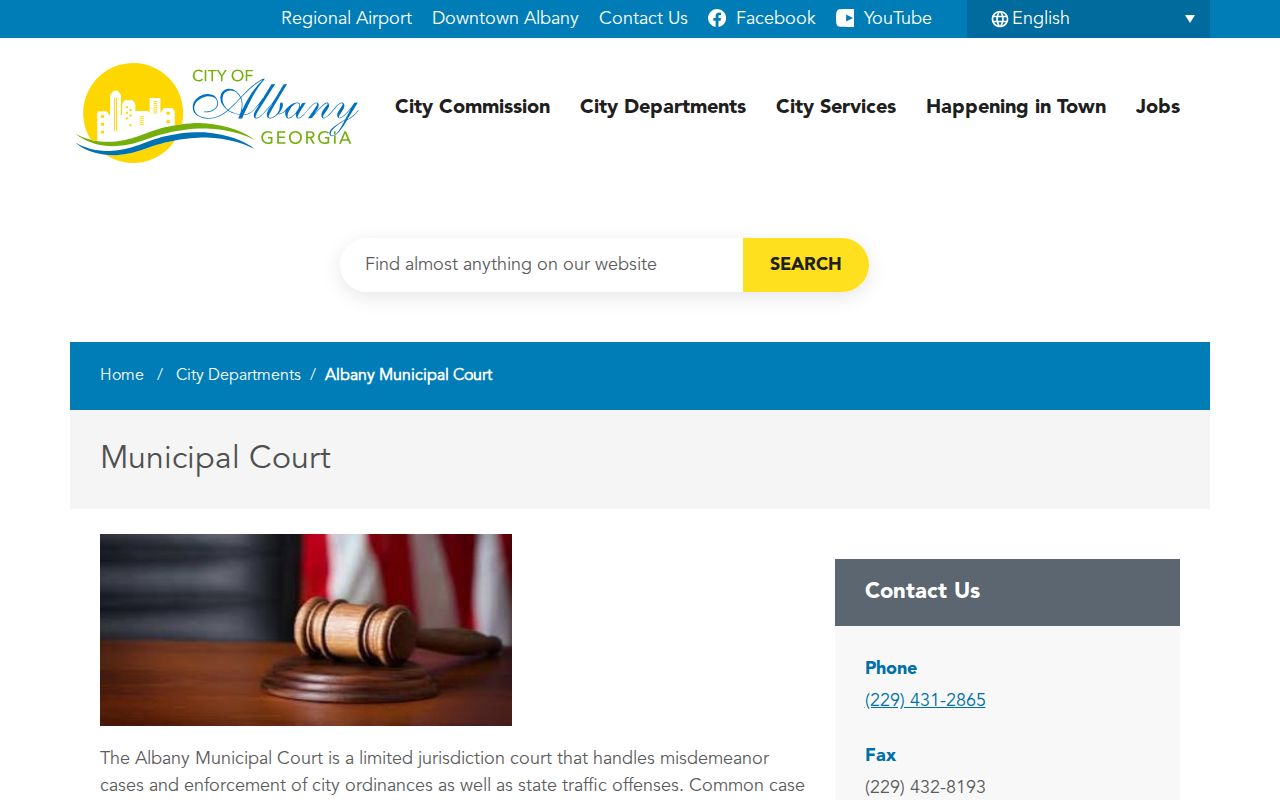
That page marks the city-court lane, which stays distinct from a county criminal arrest warrant. The city also publishes an Albany Municipal Court Important Links page.
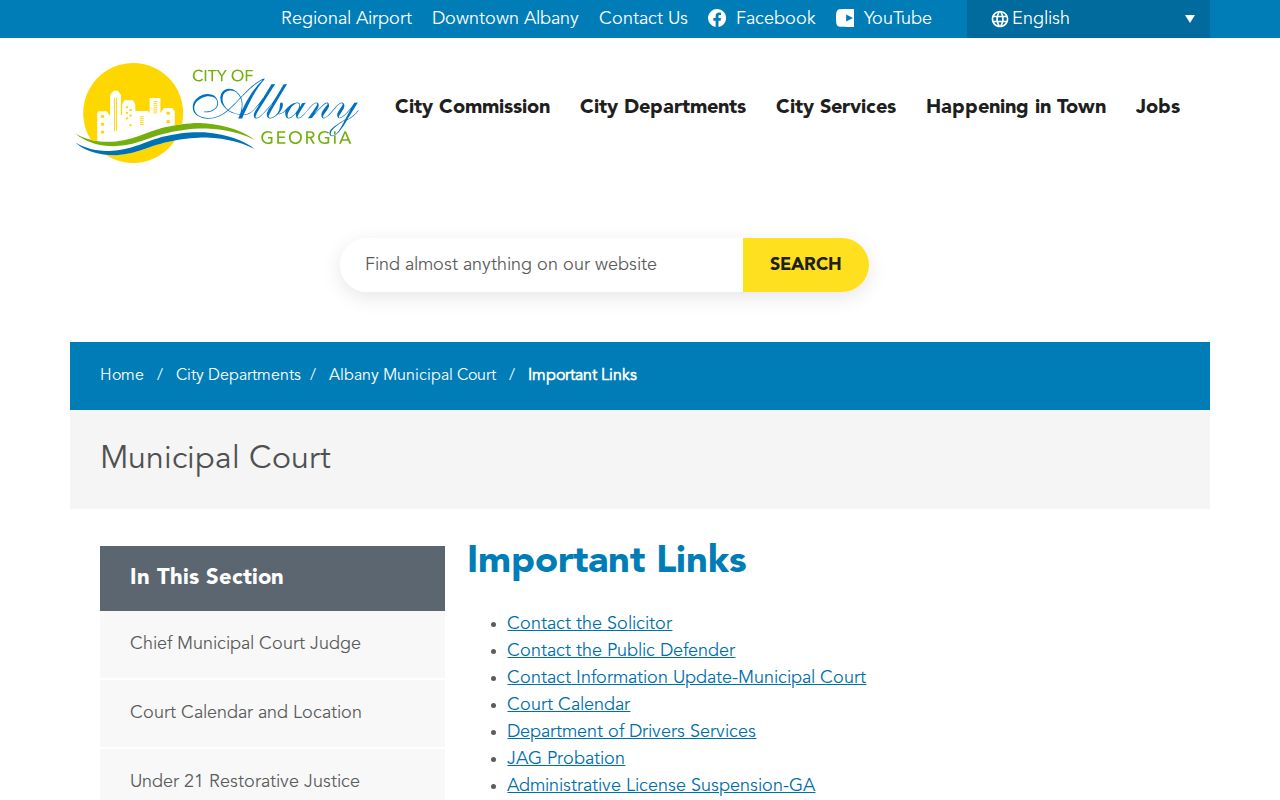
Its calendar, ticket, ordinance, and open-record links are navigation aids, not a current Dougherty County arrest-warrant register.
Dougherty County Arrest Warrant Access
Georgia keeps no statewide name-search portal, so a Dougherty County warrant search starts local. The Dougherty P2C Wanted Persons catalog is the sheriff's own listing. Treat it as a lead, not a certificate. A blank result can mean the entry is new, sits in another jurisdiction, or is sealed or filtered out. For solid confirmation, call the Sheriff's Warrants/Civil line or the issuing court that holds the warrant. Dougherty County also accepts open-records requests for copies of administrative records; the Sheriff contact page lists DCJF@dougherty.ga.us. Expect redactions, since investigative, sealed, and juvenile material is protected. A records request never substitutes for a direct call about custody authority.
What to Do If There's a Warrant for You
Confirm first, then act. The P2C Wanted Persons catalog may offer a lead. A phone call beats it. Reach Sheriff Warrants/Civil at 229-302-3605, or contact the issuing court directly. Georgia.gov notes a sheriff usually needs a full name and date of birth, and it warns that asking in person about an active warrant can end in arrest on the spot.
- Ask whether the warrant remains executable, served, recalled, withdrawn, or bonded.
- Consult an attorney before choosing an in-person appearance or surrender plan.
- Confirm location, hours, identification, bond form, and accepted payment method.
- Follow the court and jail instructions for surrender, first appearance, or bond.
- Keep each receipt and court order, then verify the updated status.
Important: An active arrest warrant can lead to custody; speak with counsel and official offices before making an in-person visit.
Dougherty County Arrest Warrant Bonds
The Sheriff Judicial Court Services side of the Dougherty County Sheriff's Office runs Booking, Bonds and Fines. That counter processes bonds and fingerprints, takes in some citation monies and bad-check payoffs, and handles warrant dismissals, withdrawals, and cash bonds. Don't assume one window clears every warrant, though. One payment method won't fit all cases either. For custody questions in Dougherty County, the jail number is 229-430-6500, and Jail Intake is 229-430-6531. Ask the office directly about the current bond amount, what security it accepts, timing, and where counsel may appear. Georgia's misdemeanor bail bench card separates unsecured judicial release from secured bond. It also flags limits tied to some recent failure-to-appear histories and restricted offenses. Still, no bench card can predict how one case turns out.